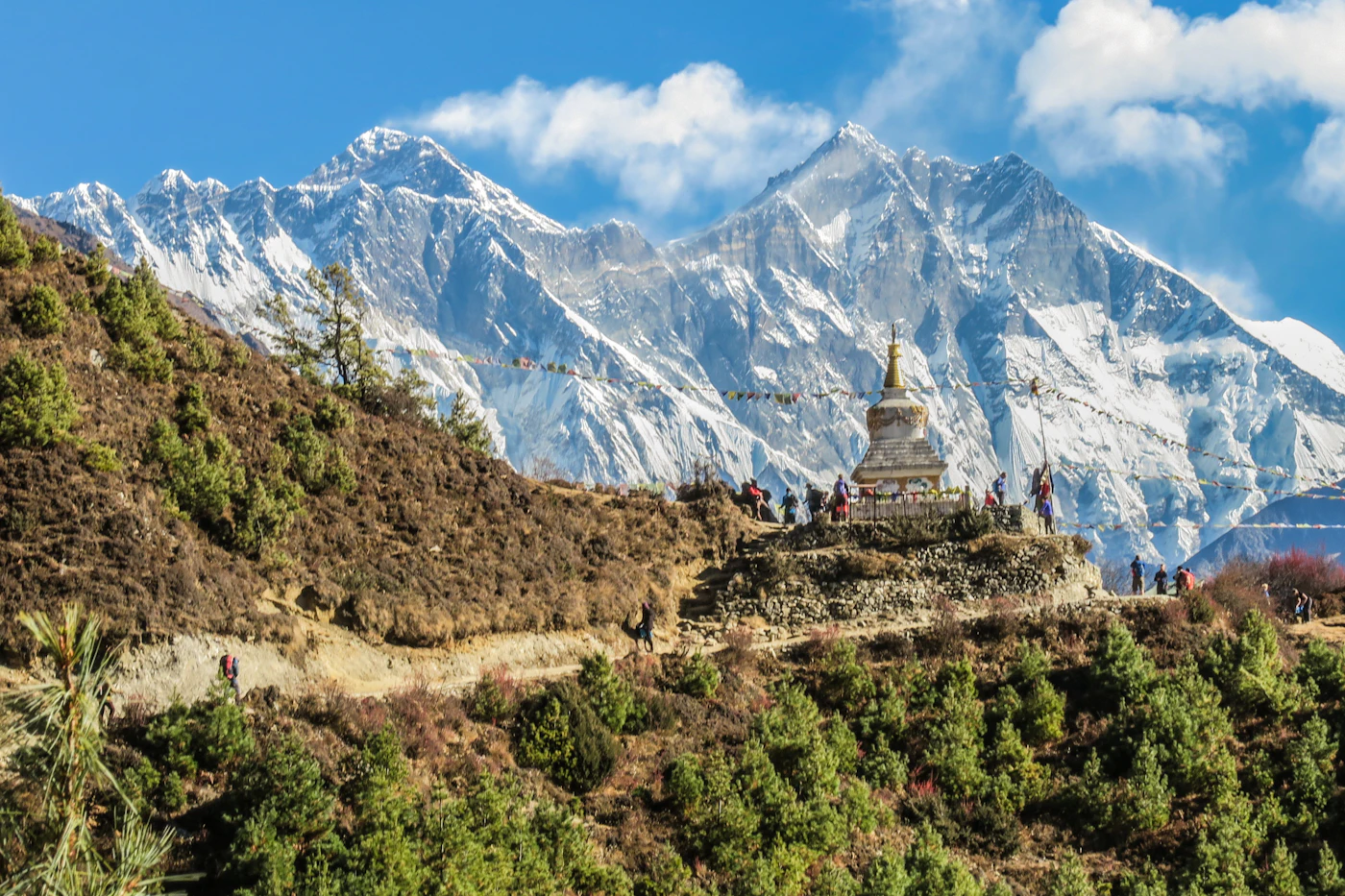
Charlevoix is where Quebec reveals its most painterly self. This is the region where the Laurentian Mountains, worn down to rolling hills by 350 million years of erosion, tumble dramatically into the St. Lawrence River — creating a landscape of almost hallucinatory beauty. Artists have known it for centuries. Painters, writers, and musicians have been making the pilgrimage here since the 1820s. Now it's your turn.
What Makes Charlevoix So Extraordinary
Charlevoix occupies a stretch of Quebec's north shore from Baie-Saint-Paul to Tadoussac — about 200 kilometres northeast of Quebec City along the St. Lawrence. The region's geography is uniquely dramatic: it was formed 350 million years ago by a meteorite impact that created a 56-kilometre crater, now softened into the valley that contains the town of La Malbaie. The resulting landscape has a sculptural quality — rounded mountains dropping steeply to river vistas, hidden valleys, and light that falls differently here than anywhere else.
The light is what the painters noticed first. The particular quality of illumination over the St. Lawrence — the way morning mist rises from the water, how the afternoon sun catches the hillsides, the extraordinary range of colour in the autumn — made Charlevoix the founding ground of Quebec's great landscape painting tradition. The Group of Seven painted here. Clarence Gagnon set the visual language for this region that still influences Quebec artists today.
In 1988, UNESCO designated Charlevoix a Biosphere Reserve — one of only a handful in Canada — recognising the extraordinary biodiversity of a region where boreal forest, alpine tundra, maritime ecosystems, and human agricultural landscapes coexist.
Charlevoix is 90 minutes northeast of Quebec City by car. It pairs naturally with a Quebec City visit — use TripPlannerPro.com to build the perfect Quebec City + Charlevoix itinerary. For broader Quebec inspiration, see our ultimate Quebec travel guide.
The Best Spots in Charlevoix
Baie-Saint-Paul — The Heart of Quebec's Arts Scene
The first major town entering Charlevoix from Quebec City, Baie-Saint-Paul sits at the bottom of a dramatic valley where the Rivière du Gouffre meets the St. Lawrence — the view descending into town from the north is one of the most beautiful approaches in Quebec. The town's cultural vitality is remarkable for a community of 7,000: there are more galleries per capita here than almost anywhere in Canada, including the Centre d'art de Baie-Saint-Paul (now expanded into a major contemporary museum), and more working artists per square kilometre than most cities ten times its size.
The town centre is compact and walkable: galleries, artisan boutiques, excellent restaurants, and the famous La Maison Otis hotel occupy the same few streets. The summer arts season runs from June to October, with gallery openings, outdoor installations, and the renowned Symposium de la nouvelle peinture au Canada (the oldest juried arts event in Canada).

Tadoussac — The Best Whale Watching in Eastern Canada
At the confluence of the Saguenay Fjord and the St. Lawrence River, Tadoussac is one of the world's great whale watching destinations. The meeting of the two bodies of water creates upwellings that concentrate krill and small fish — drawing minke whales, fin whales, humpbacks, and the resident population of beluga whales that have inhabited this stretch of the St. Lawrence year-round for millennia. The belugas are exceptional — they stay near the surface, socialise visibly, and produce extraordinary vocalisations that can be heard from the shore.
Zodiac excursions get close (legally and safely) to the whales. Glass-bottomed whale watching boats are available for families. The Marine Mammal Interpretation Centre in the village provides excellent scientific context on the St. Lawrence ecosystem. Tadoussac itself is a perfectly picturesque village — with the red-roofed Hôtel Tadoussac (1864) presiding over the bay, the sand dunes of the Cap-de-Bon-Désir rising behind, and the ferry crossing to the north shore adding nautical character to the waterfront.
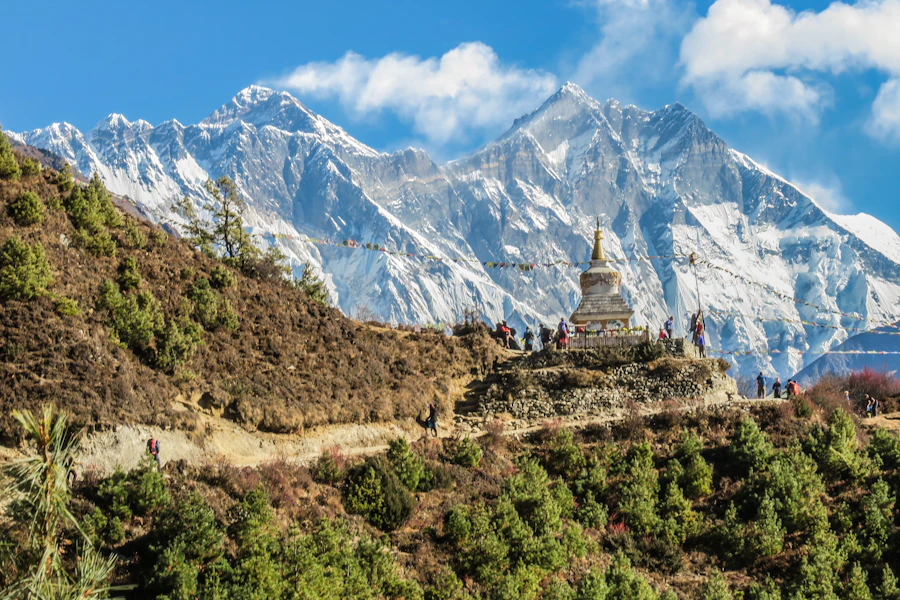
Le Massif de Charlevoix — Skiing Over the St. Lawrence
Le Massif is arguably Quebec's most dramatically situated ski resort — and one of the most distinctive in all of North America. The mountain drops 770 metres from summit to base, making it the longest vertical drop in eastern Canada. But what makes it unique is its orientation: the trails descend directly towards the St. Lawrence River, visible from virtually every run on the mountain, giving skiers the surreal sensation of skiing towards the sea.
The resort runs the Train du Massif de Charlevoix — a scenic railway from the Baie-Saint-Paul area to the mountain base, passing through spectacular countryside. In summer, the mountain offers hiking, mountain biking, and the remarkable Salle à manger restaurant. The adjacent village of Petite-Rivière-Saint-François is one of Charlevoix's most charming — a handful of houses perched on the cliffs above the river.
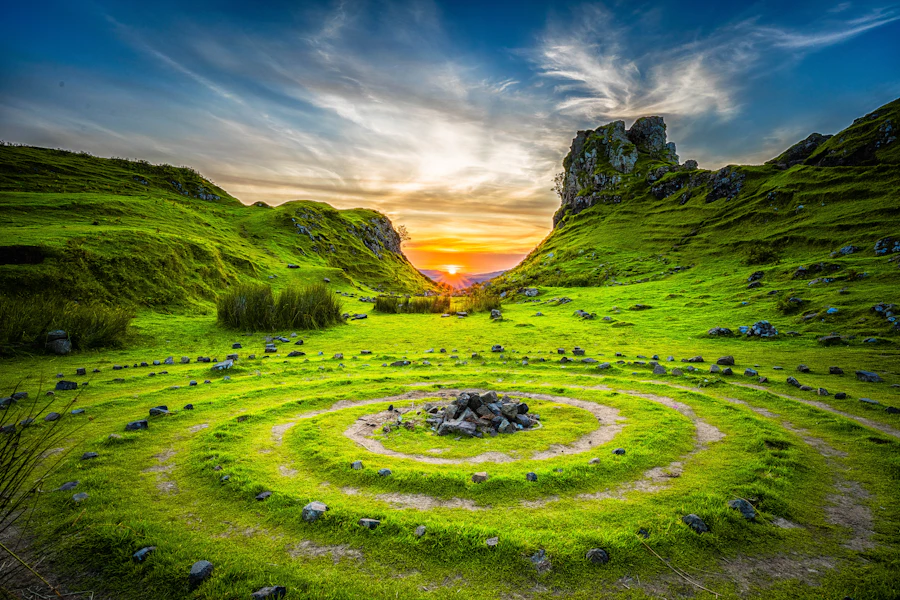
Parc des Hautes-Gorges-de-la-Rivière-Malbaie
Quebec's deepest valley is one of its most spectacular and least-visited parks. The Hautes-Gorges park protects the canyon of the Rivière Malbaie as it cuts through the Canadian Shield — canyon walls rising up to 800 metres on both sides, creating a dramatic enclosed landscape unlike anything else in eastern Canada. The valley floor is thick with boreal forest; the upper slopes reach into alpine tundra; the river itself is clear, cold, and fast.
Boat tours run the length of the canyon from May to October — the only way to see the deepest sections. Hiking trails range from easy riverside walks to demanding ridge traverses with extraordinary views. The park's backcountry camping is among the finest in Quebec. The trailhead village of Saint-Aimé-des-Lacs is a useful base.
La Malbaie — The Region's Elegant Centrepiece
The largest town in Charlevoix, La Malbaie (merged with Pointe-au-Pic) sits at the centre of the meteorite crater that created the region's distinctive bowl-shaped valley. This was the summer destination of wealthy Québécois and American families from the 1870s onwards — attracted by the cool air, the dramatic scenery, and the social scene centred on the Manoir Richelieu, a castle-like hotel opened in 1899 that still presides over the town from its clifftop position.
The Manoir Richelieu's golf course occupies the clifftop with views over the river that make it one of the most scenically situated courses in Canada. The town's Casino de Charlevoix occupies the hotel grounds. The restaurants of La Malbaie and surrounding villages represent some of the finest dining in Quebec outside Montreal and Quebec City — the region's terroir cuisine (local lamb, duck, cheeses, berries, and St. Lawrence fish) is exceptional.
Charlevoix Through the Seasons
Spring (April–May)
Maple syrup season peaks in March–April. The region's sugar shacks (cabanes à sucre) serve traditional sugaring-off meals. Snow lingers on the mountains while the valley blooms. Fewer crowds, lower prices.
Summer (June–September)
Peak season for whale watching at Tadoussac, hiking, cycling, terrasse dining, and gallery hopping in Baie-Saint-Paul. The Train du Massif runs scenic excursions. Accommodation books up — reserve early.
Autumn (October–November)
The finest season for many visitors. The autumn colour in Charlevoix is transcendent — the hillsides turn every shade of gold, crimson, and orange against the grey river. Harvest cuisine reaches its peak. Intimate and atmospheric.
Winter (December–March)
Le Massif skiing with St. Lawrence views. Snowshoeing in the Parc des Grands-Jardins. Ice hotels in some years. Cross-country trails from Baie-Saint-Paul. Quebec's most beautiful winter landscapes.
Charlevoix's Extraordinary Food Culture
Charlevoix is one of the most celebrated food regions in Canada — a place where chefs, farmers, cheesemakers, and foragers collaborate in a local food ecosystem of remarkable quality. The Agri-Terroir circuit connects farms, artisan producers, and restaurants across the region. Key food experiences include:
- Charlevoix lamb — The region's salt-meadow lamb (fed on riverside grasses) has a distinctive mineral flavour prized by Montreal and Quebec City chefs
- Laiterie Charlevoix — The region's dairy produces some of Quebec's finest cheeses, including the award-winning Migneron de Charlevoix
- Boulangerie La Fournée (Baie-Saint-Paul) — One of Quebec's finest bakeries, with wood-fired sourdough and extraordinary pastries
- Microbreweries — Several excellent craft breweries operate in the region, including the respected Microbrasserie Charlevoix
- Le Mouton Noir (Baie-Saint-Paul) — Acclaimed farm-to-table restaurant using exclusively regional ingredients; reservations essential in summer
- Foie gras de canard — Duck foie gras from Charlevoix farms appears on nearly every serious restaurant menu in the region
Plan Your Charlevoix Escape
Whether you're planning a romantic weekend, a family adventure, or a culinary journey, TripPlannerPro helps you make the most of Charlevoix — and the rest of magnificent Quebec.
Plan My Charlevoix Trip More Canada Best SpotsCharlevoix and Beyond
Charlevoix makes an ideal starting point for deeper Quebec exploration. Continue northeast to the Gaspésie coastal drive, one of the great road trips in North America. Or return southwest to explore Quebec City, just 90 minutes away — the perfect urban complement to Charlevoix's rural beauty.
For the complete picture of Quebec's extraordinary destinations, read our ultimate guide to Quebec's best places to visit. And for broader Canadian adventures — combining Charlevoix with, say, Prince Edward Island or Cape Breton — CanadaBestSpots.com has comprehensive guides to the country's finest destinations. When you're ready to build your itinerary, TripPlannerPro.com is the essential planning tool.